

Brainspotting Therapy
Focused Therapy for Trauma, Anxiety and Feeling Stuck
Brainspotting therapy is a focused therapeutic approach that uses eye position and body awareness to help process distress that may be difficult to reach through talking alone.
It can be used as a standalone therapy or integrated into wider trauma-informed work. Where clinically appropriate, Brainspotting may also sit alongside wider Intensive Trauma Therapy work. Philip offers Brainspotting face to face in Wiltshire and online across the UK.
Brainspotting grew out of EMDR and shares a similar understanding that painful experiences can remain held in the brain and body. You can also read more about Philip’s work with EMDR therapy.
How Brainspotting Therapy Can Help
Brainspotting may be helpful if you:
- feel stuck, even when you understand the issue logically
- experience trauma or PTSD symptoms
- struggle with anxiety, stress or emotional overwhelm
- find it difficult to put feelings into words
- notice strong emotional or physical reactions
- experience depression linked with unresolved distress
- struggle with attachment or relationship patterns
- experience performance anxiety in work, sport or creativity
- live with chronic pain where emotional stress may be a factor
Rather than relying only on conversation, Brainspotting gives attention to what is happening internally. This can allow emotional and body-based material to process in a steady, supported way.
What Working With Brainspotting Looks Like
A Safe and Steady Pace
Sessions move at a pace that feels manageable for you. We begin by identifying a feeling, memory, body sensation or issue that you would like to work with.
From there, Philip helps you notice how this shows up emotionally and physically, without needing to force anything or explain everything in detail.
Finding the Brainspot
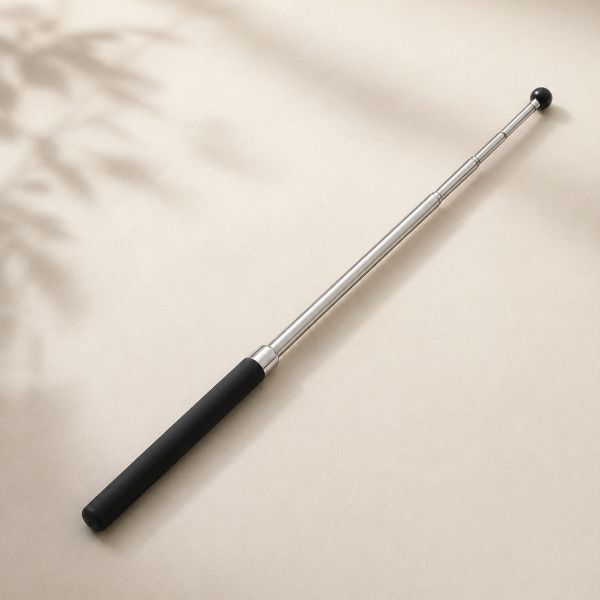
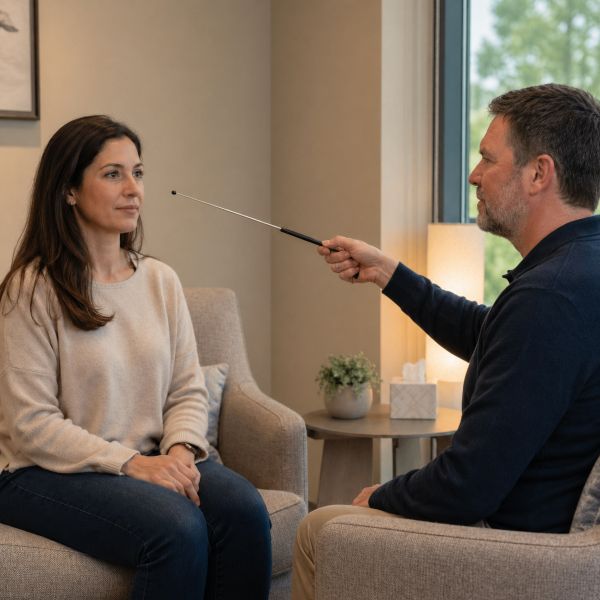
During Brainspotting, Philip may use a pointer stick to help locate a particular eye position, known as a “brainspot”.
This can sound unusual at first, but the pointer is simply a practical way of helping you find where your visual focus connects with the emotional or physical response you are working with.
Once the brainspot has been located, you are invited to keep your attention there and notice what arises.
Client-Led and Non-Invasive
Brainspotting is not something that is done to you. You remain in control throughout the session.
You do not need to have the right words or revisit every detail of a painful experience. The work is led by your internal process, with Philip supporting you to stay grounded and safely paced.
Brainspotting and Trauma
Brainspotting is often used within trauma-focused therapy because it works with both emotional and physical responses.
After distressing or traumatic experiences, the nervous system can sometimes remain on alert. This may show up as anxiety, emotional reactivity, shutdown, intrusive memories, tension in the body or a sense of being unable to move forward.
Brainspotting aims to support the brain and body to process this unresolved material in a focused and contained way. It can be particularly helpful when talking alone has not fully reached the issue.
Brainspotting was developed by Dr David Grand in 2003. Philip has completed Phase 1 and Phase 2 training with Brainspotting Training UK and registered trainer Dr Mark Grixti.
Online and Face-to-Face Brainspotting Therapy
Philip offers in person therapy in Wiltshire two days per week, alongside online sessions for adolescents and adults across the UK.
He also offers online EMDR therapy delivered in accordance with professional guidelines which is highly effective for trauma recovery.
Understanding the Brainspotting Therapy Process
Brainspotting is based on the idea that where you look can affect how you feel. A brainspot is a specific eye position that appears to connect with an emotional or body-based response.
When this eye position is located, you are invited to hold your focus there while noticing thoughts, feelings, memories or body sensations that arise. The process is gently supported and does not need to be forced..
Eye Position and Focus
Philip helps you locate an eye position connected with the issue you are working on. A pointer stick may be used to guide this process slowly and carefully.
Body Awareness
Brainspotting pays attention to the body as well as the mind. You may notice tension, emotion, warmth, heaviness, images or subtle shifts in sensation.
Processing Without Forcing
You do not need to make anything happen. Brainspotting creates a focused space where emotional and body-based processing can unfold at your own pace.
A Focused Space for Processing
Brainspotting creates a focused therapeutic space where you can stay with what arises internally, without needing to explain everything in detail..
As the process unfolds, you may notice emotions, memories, body sensations or new insights. These responses are followed gently and at your own pace.
When this happens, internal conflict softens and emotional balance becomes easier to maintain.The aim is not to force change, but to support the brain and body to process what may have felt stuck, so that greater steadiness and clarity can begin to emerge.
What is Brainspotting?
If you are new to Brainspotting, this short video offers a simple introduction to how the approach works and what you might experience in a session.
Brainspotting can sound unusual at first, especially when a pointer stick is used to locate an eye position. The video helps explain the process more clearly, so you know what to expect before starting therapy.
Every person’s experience of Brainspotting is different. If you are unsure whether this approach is right for you, Philip can talk this through with you during an initial consultation.
You may also find Philip’s article on how trauma rewires the brain helpful if you would like to understand more about how trauma can affect emotional and physical responses.
Explore Brainspotting Therapy
If you would like to find out whether Brainspotting may be suitable for you, you are welcome to arrange a free initial consultation. Philip is a trained Brainspotting therapist and offers sessions face to face in Wiltshire and online throughout the UK.