


Neurodivergence can influence attention, energy, communication, sensory experience, emotional regulation and relationships. Therapy offers space to explore these experiences without reducing them to symptoms or deficits.
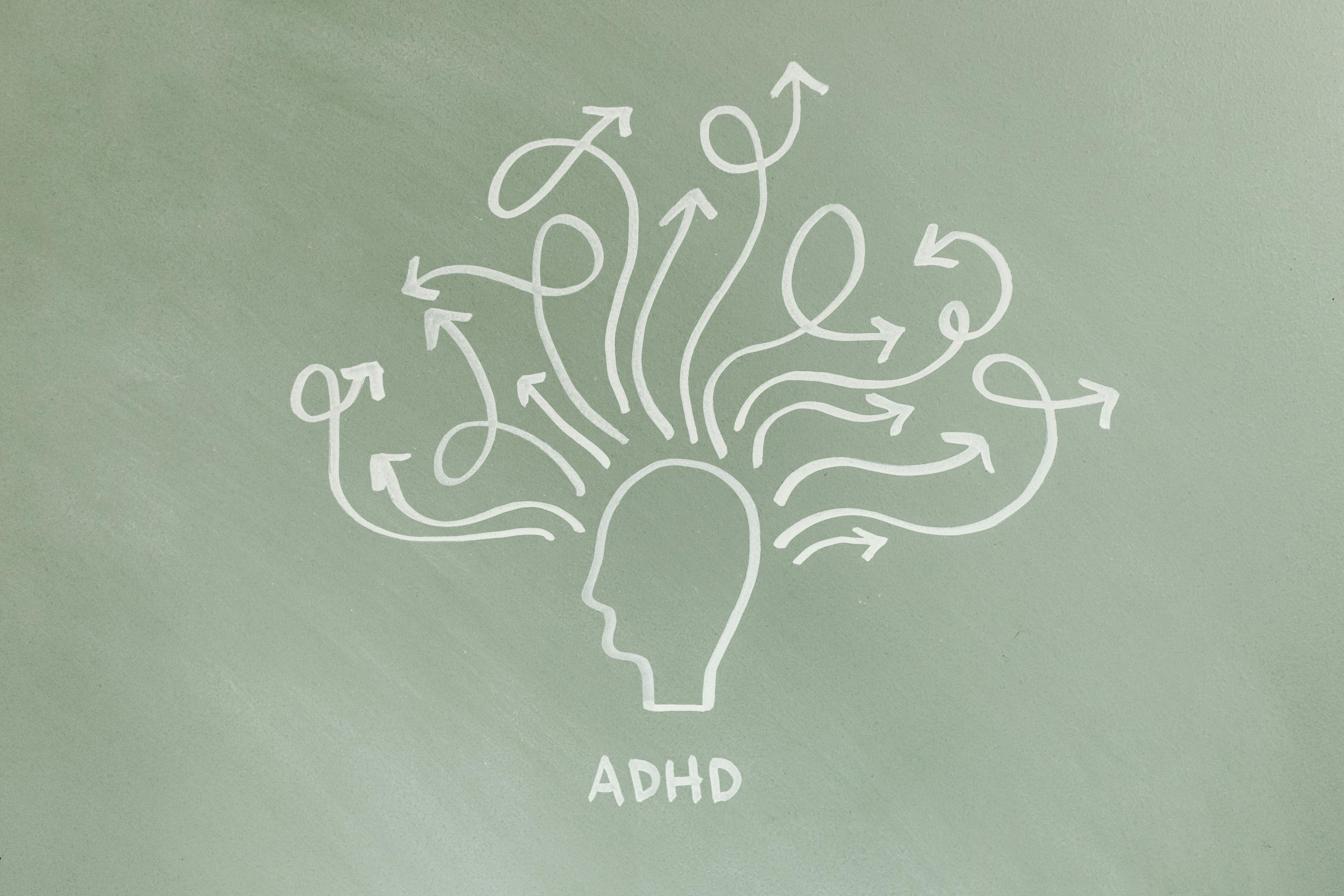
Many ADHD and autistic adults have spent years trying to appear “fine” while managing exhaustion, overwhelm or self-doubt underneath. Therapy can help make sense of masking, burnout, rejection sensitivity and the pressure to fit in.

A neurodivergent-informed approach recognises that support should adapt to the person, not the other way round.

Some experiences are hard to explain, even when you know they still affect you. Brainspotting works with focused eye positions to help access emotional and body-based material that may sit beneath ordinary conversation.

Brainspotting can be useful when trauma, anxiety, overwhelm or performance blocks feel stuck in the system. Rather than analysing every detail, the approach supports the brain and body to process at a deeper level.

Philip uses Brainspotting in a steady, collaborative way. You remain in control of the pace, while the therapy creates space for emotional material to move, settle and become less activating over time.

EMDR, or Eye Movement Desensitisation and Reprocessing, is designed to help the brain reprocess memories that still feel distressing. The aim is not to erase the past, but to reduce how intensely it affects the present.

A memory does not have to be constantly on your mind to affect you. Triggers, body sensations, intrusive images or sudden emotional shifts can all be signs that an experience has not been fully processed.
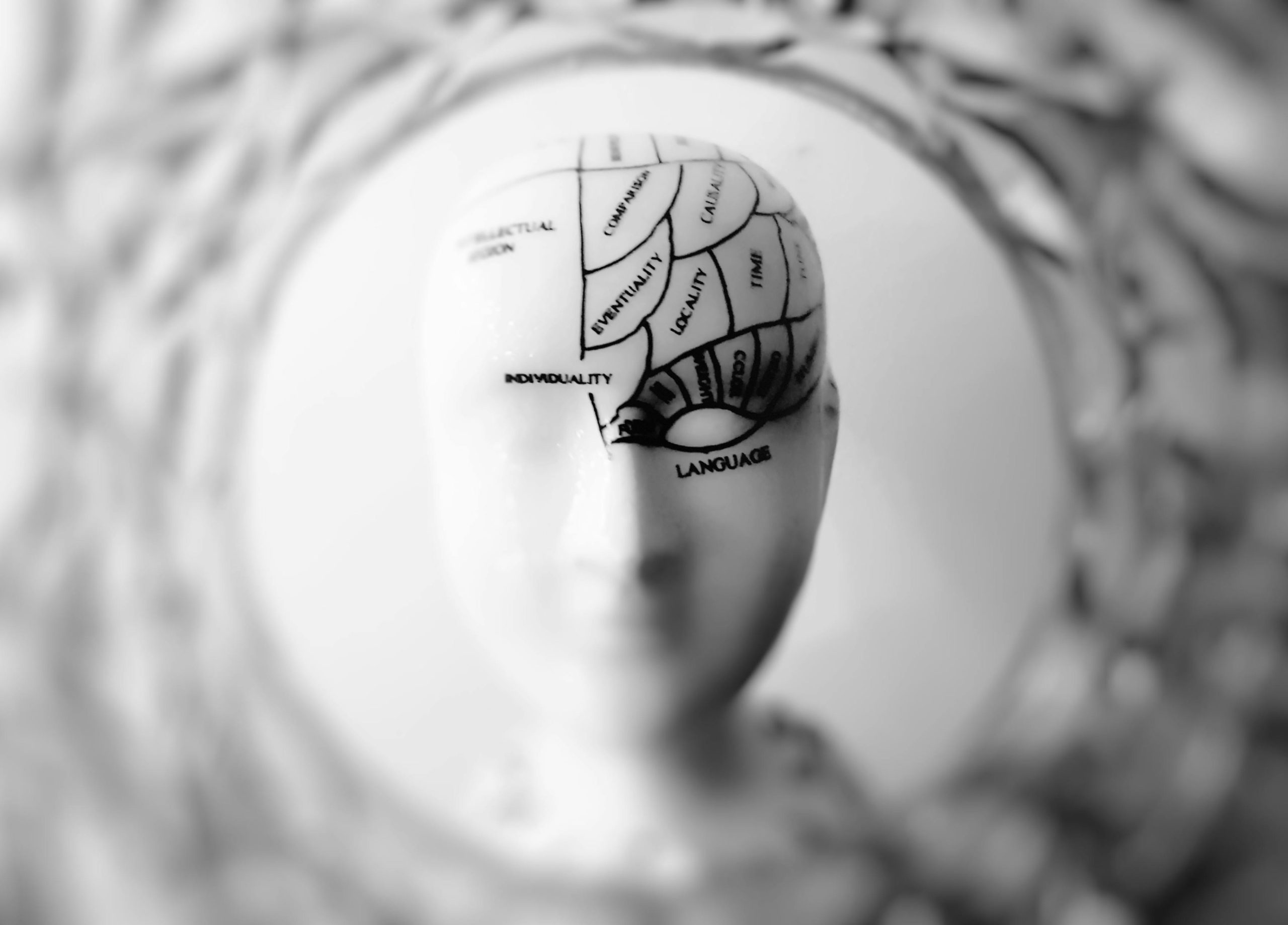
EMDR includes preparation, stabilisation and careful pacing before deeper processing begins. This structure helps ensure the work feels contained, safe and appropriate for your current needs.

Internal Family Systems Therapy, often known as IFS, explores the different parts of us that may carry fear, anger, shame, protectiveness or vulnerability. These parts are not seen as problems, but as attempts to help us survive.

You may notice parts that criticise, avoid, please others, stay on alert, shut down or push through at any cost. IFS helps you approach these inner responses with curiosity, so they can be understood rather than battled.

Over time, IFS can help soften inner conflict and increase self-compassion. The work supports a grounding with your core self.

Schema Therapy focuses on long-standing patterns that often began earlier in life. These may affect how you experience closeness, criticism, abandonment, failure, responsibility, boundaries or self-worth.

At different times, you may withdraw, overwork, become self-critical, feel childlike and vulnerable, or try to stay in control. Schema Therapy helps identify these “modes” so they become easier to recognise and work with.

Once patterns are understood, therapy can support more flexible and compassionate responses. This can be especially helpful when old coping strategies no longer fit the life or relationships you want now.

Trauma can leave the nervous system on high alert, even long after the original experience has passed. Reactions such as anxiety, numbness, avoidance, anger or shutdown can be understood as protective responses, not personal failings.

Trauma therapy does not mean rushing into painful memories. The work often begins with stabilisation, grounding and building enough safety in the present before exploring what happened more directly.

The aim is not simply to retell difficult experiences, but to reduce their hold on your body, emotions and relationships. Therapy can help you reconnect with yourself in a more supported and compassionate way.