

EMDR Therapy
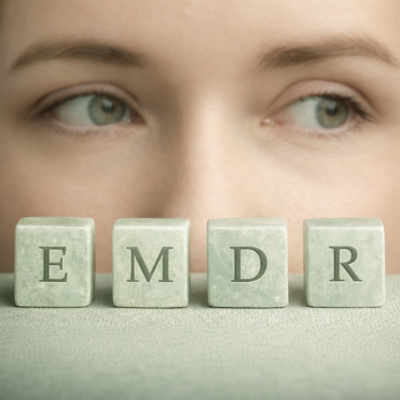
for Trauma, Anxiety and PTSD
EMDR (Eye Movement Desensitisation and Reprocessing) is a structured, evidence-based therapy designed to help people process traumatic memories and distressing life experiences.
By helping the brain reprocess these experiences in a safe and supported way, EMDR therapy can reduce the emotional impact of the past and support lasting psychological healing.
I offer online EMDR therapy throughout the UK and in-person sessions in Wiltshire for adults, adolescents and children.

How EMDR Therapy Can Help
Difficult experiences can sometimes remain “stuck” in the nervous system, continuing to influence how you feel, react and relate to others.
EMDR therapy helps the brain process these memories so they no longer carry the same emotional intensity.
People often seek EMDR therapy when experiencing:
- trauma and post-traumatic stress (PTSD)
- anxiety, panic and constant worry
- intrusive memories or flashbacks
- persistent fear or emotional overwhelm
- grief or unresolved loss
By gently processing these experiences, EMDR therapy can reduce distress and allow new, more balanced perspectives to develop.
Signs a Child or Young Person May Need Support
You might notice:
- changes in mood or behaviour
- withdrawal or increased clinginess
- anger or emotional outbursts
- avoidance of certain situations
- physical symptoms such as headaches or stomach aches
These can be signs that a child or young person is struggling with something they may not yet be able to express.
Who Is It For
Children and Adolescents
When a child or young person experiences something distressing or overwhelming, it can affect how they feel, behave and relate to others. This might show up as changes in mood, sleep, confidence or behaviour, sometimes without a clear explanation.
EMDR therapy can be adapted to suit a child’s age and developmental stage, using a gentle and supportive approach that helps them process difficult experiences safely.
EMDR may help with:
- trauma (single incidents or ongoing experiences)
- anxiety, fears or phobias
- nightmares or sleep difficulties
- school-related stress or avoidance
- emotional or behavioural difficulties
- low confidence or self-esteem
Sessions may include elements such as drawing, storytelling or creative expression, alongside age-appropriate EMDR techniques. The focus is always on building a sense of safety, stability and trust before any deeper processing takes place.
The aim is to help children feel more settled, more confident, and better able to manage their emotions.
Adults
EMDR therapy is widely used to support adults who are experiencing the effects of trauma, anxiety or distressing life events.
It can be particularly helpful when past experiences continue to impact day-to-day life, relationships or emotional wellbeing.
EMDR allows these experiences to be processed in a way that reduces their emotional intensity, without requiring you to relive them in detail.

What Working With EMDR Looks Like
Careful Preparation
Before processing difficult memories, we focus on building stability and emotional safety. This includes grounding strategies and ensuring you feel supported throughout the process.
Structured Memory Processing
During EMDR, we work with specific memories while using bilateral stimulation such as eye movements, tapping or tones. This supports the brain in reprocessing distressing experiences.
Integration and Moving Forward
As memories are processed, their emotional charge often reduces. This can create space for new perspectives, increased resilience and a greater sense of emotional balance.
Online and Face-to-Face Therapy
I offer EMDR therapy in person in Wiltshire, alongside online sessions for adults, adolescents and young people across the UK.
Online EMDR therapy is delivered in line with professional guidelines and can be highly effective for trauma recovery.
Understanding How EMDR Works
EMDR therapy follows a structured process designed to help the brain safely process distressing memories.
Rather than analysing the past in detail, EMDR allows the brain’s natural healing processes to complete work that may have been interrupted at the time of the original experience.
Memory Processing
Traumatic memories are often stored in a way that keeps them vivid and emotionally charged. EMDR helps these memories become integrated into the wider memory network.
Bilateral Stimulation
Eye movements, tapping or tones stimulate both sides of the brain while processing memories, supporting more adaptive processing.
Integration
As processing occurs, the emotional intensity of memories usually decreases. Many people find they can recall past events without feeling overwhelmed.
The Eight Phases of EMDR Therapy
EMDR follows a structured eight-phase framework designed to ensure the process is safe and effective.
01
History
We explore your experiences, current challenges, and what you would like support with, helping identify what may be affecting you now.
02
Preparation
We focus on building safety and trust, using grounding techniques so you feel stable, supported, and in control throughout the process.
03
Assessment
We identify a specific memory to work on, including the thoughts, emotions, and body sensations connected to the experience.
04
Desensitisation
Using gentle bilateral stimulation, we help your brain reprocess the memory so it becomes less overwhelming over time.
05
Installation
We strengthen more helpful beliefs, replacing older patterns with ones that feel more balanced, supportive, and empowering.
06
Body Scan
We check for any remaining physical tension, helping your body feel calmer, more settled, and fully regulated.
07
Closure
We reflect on your progress together, ensuring the work stays aligned with your needs and guiding the next steps.
08
Review
We reflect on your progress together, ensuring the work stays aligned with your needs and guiding the next steps.
My Approach to EMDR
Attachment-Informed EMDR
I integrate an attachment-focused perspective within EMDR work, helping explore how earlier relationships may influence present experiences.
EMDR 2.0
I incorporate developments from EMDR 2.0, which builds on the original method and can help enhance the effectiveness of memory processing.
Neurodivergent-Informed EMDR
EMDR can be adapted to support individuals with ADHD or autism, ensuring the process respects different ways of processing information and emotional experiences.
Is EMDR Therapy Right for You?
EMDR therapy can be a powerful approach for processing trauma and distressing experiences. However, it is not suitable for everyone, and a careful assessment is important before beginning.
We will explore together whether EMDR is the right approach for you during an initial consultation.
Explore EMDR Therapy
If you are considering EMDR therapy for trauma, anxiety or distressing experiences, you are welcome to get in touch.
We can discuss your situation and whether this approach feels right for you..