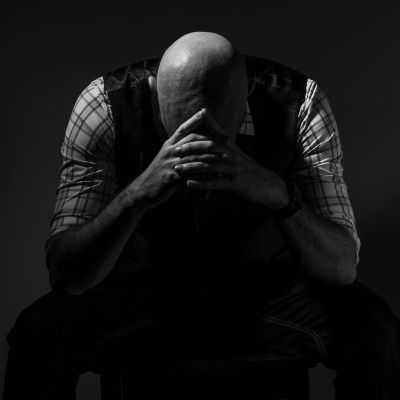

When our Body Betrays Us: The Science Behind Sexual Trauma
Bodily Reactions During Sexual Assault and Rape: What You Need to Know
Introduction to Sexual Violence
Sexual violence, including assault and rape, can impact anyone—no matter their background. Its effects reach far beyond the moment, often leaving both visible and invisible wounds that take time and support to heal. If you or someone you care about has been affected, please know you are not alone, and what happened is never your fault.
Every person’s journey is different. People respond to trauma in many ways—physically, emotionally, and mentally. Some may feel anxious, fearful, or numb; others might struggle with overwhelming memories, sadness, or changes in their sense of self. These reactions are all common, and none are signs of weakness.
The path towards healing starts with understanding and support. Trauma-informed care can make a real difference, helping survivors feel safe, heard, and empowered to reclaim their lives. When we listen without judgment, offer kindness, and believe those who come forward, we help break the silence and reduce the burden of shame or guilt that survivors may carry.
Remember: everyone deserves respect, care, and the chance to heal. By reaching out for help or supporting someone you love, you are taking an important step toward recovery and hope.
The aim of this article is to normalise what is often unspoken. No one should have to experience what is written in this article but if people understand what is a normal human survival reaction to a horrific event, then hopefully this will help them experience less shame and self-blame, which can reduce symptoms of PTSD.
Understanding Sexual Abuse and the Body’s Response
Survivors often report physical symptoms such as a rapid heartbeat, trembling, nausea, or muscle tension. These occur because the body responds to trauma through automatic physiological processes—commonly known as fight, flight, or freeze—triggered by the limbic system and autonomic nervous system. They may also feel numb, disconnected, or detached from their body. These are the body’s natural reactions to trauma. In reality, it can be a lot more complex than this basic survival cascade.
Research on Defence Circuitry in Sexual Trauma
Scientific research into the body’s defence circuitry has provided important insights into how people respond during sexual trauma. The defence cascade model outlines a sequence of physiological and behavioural responses to threat, including arousal, fight or flight, freeze, tonic immobility, and collapse. Each stage represents an adaptive survival mechanism activated by the autonomic nervous system and brain structures such as the amygdala and periaqueductal grey.
In the context of sexual assault, the defence cascade explains why survivors may experience a range of bodily reactions, from attempting to resist (fight), fleeing (flight), freezing in place, to tonic immobility—a state of temporary paralysis where voluntary movement and vocalisation are inhibited. This last state is particularly relevant to sexual trauma, as it reflects the body’s last-ditch effort to survive when escape or resistance seems impossible.
Kozlowska et al. (2015) describe how the activation of these defence circuits can profoundly affect the survivor’s experience, including the onset of dissociation, altered pain perception, and memory fragmentation. The brain’s prioritization of survival over higher cognitive functions can explain why many survivors have difficulty recalling details of the assault or feel detached from their bodies during and after the event.
Understanding the defence circuitry also highlights the involuntary nature of many bodily responses during sexual assault, such as involuntary arousal or freezing, reinforcing that these reactions are automatic and not indicative of consent or willingness.
These physiological responses are signals from the body’s need for support and healing after trauma.
Types of Sexual Abuse and Assault
Sexual abuse and assault can take many forms, each leaving a profound impact on survivors’ lives. These traumatic events include rape, attempted rape, and any sexual contact or sexual act that occurs without clear, enthusiastic consent. Sexual assault is not limited to physical force; it can also involve coercion, manipulation, or taking advantage of someone who is unable to give consent due to age, intoxication, or incapacity.
The effects of sexual violence extend far beyond the immediate incident. Survivors may experience a range of physical injuries, from bruises and lacerations to more severe harm, and in some tragic cases, sexual abuse can be fatal. However, the emotional and psychological aftermath often lingers much longer. Many survivors develop mental health conditions such as posttraumatic stress disorder (PTSD), depression, and anxiety. Rape trauma syndrome is a common reaction, marked by symptoms like flashbacks, nightmares, avoidance of reminders, and difficulty concentrating on daily tasks.
It’s important to recognise that sexual violence can happen to anyone, regardless of sexual orientation, gender, age, or background. While women survivors often face unique barriers to seeking help—such as societal victim blaming attitudes and stigma—sexual assault affects people of all identities. Abuse can occur within intimate partner relationships, families, or communities, and is not limited to any one setting.
After a traumatic event like sexual assault, many survivors struggle with feelings of shame, guilt, and self blame. These feelings are often intensified by victim blaming attitudes in society, which wrongly suggest that survivors are responsible in some way for what happened. In reality, the responsibility always lies with the perpetrator. Trauma informed care is essential in supporting survivors, helping them feel safe and understood as they process their experiences.
Common reactions to sexual assault include sleep disturbances, emotional numbness, difficulty trusting others, and even suicidal thoughts. Some survivors may turn to substance abuse or self harm as a way to cope with overwhelming psychological reactions. While these responses are understandable, they can have negative consequences for both emotional well being and physical health. Seeking medical care and support from trusted family members, friends, or mental health professionals can be a crucial step in the healing process.
A family member can play an important role in providing emotional support or helping set boundaries during recovery, depending on the survivor’s needs and comfort level.
Recovery from sexual trauma is deeply personal and rarely follows a straight path. Many survivors find it helpful to use grounding techniques, build a support network, and practice self-care at their own pace. Healing may involve acknowledging the trauma, processing complex feelings, rebuilding trust and intimacy, and finding healthy ways to cope. Setbacks and triggers are a common part of this journey, but with the right support and resources, many survivors are able to reclaim their sense of safety and well-being.
If you or someone you know has experienced sexual violence, know that you are not alone. Confidential support is available through resources like the Rape Crisis Helpline https://247sexualabusesupport.org.uk (0808 500 2222), as well as local support groups and counselling services. Creating a compassionate, non-judgmental environment is key to helping survivors feel safe, supported, and empowered to heal.
The Freeze Response and Tonic Immobility
One of the most misunderstood trauma responses during sexual assault is tonic immobility – a state in which the body becomes temporarily paralysed. Not everyone who is raped responds in the same way; tonic immobility is just one possible reaction among many. Survivors often describe feeling mentally aware but physically unable to move, speak, or scream. This response is not a sign of weakness or compliance. It is a neurobiological reflex when the body perceives the threat as inescapable.
Tonic immobility is well documented in scientific literature. A study by Möller et al. (2017) found that survivors who experienced tonic immobility were more likely to suffer from PTSD and to blame themselves for their perceived “inaction”. In truth, this response is outside of conscious control and should never be equated with consent. Furthermore, tonic immobility has at times, been used by defence lawyers as a way of defending their client and argue that the victim was consenting by not “fighting back”. This lack of understanding shows how harmful it can be for survivors.
Involuntary Arousal During Assault: A Silent Source of Shame
Perhaps the least discussed, and most shaming, experience for many survivors is involuntary arousal during the assault. Some report experiencing vaginal lubrication, erections, or even orgasm during rape. Involuntary arousal can occur during non-consensual sexual acts, including a range of unwanted behaviours. These bodily responses can leave survivors feeling “broken”, complicit, or unable to speak about what happened.
But these reactions are not signs of pleasure or consent. They are autonomic responses controlled by the unconscious nervous system, much like a blush or flinch. Genital arousal is not purely psychological. The parasympathetic nervous system can stimulate blood flow to the genitals even under conditions of fear or pain. Indeed, it is believed that in woman, genital arousal is a way for the body to protect itself from injury during an assault (Suchinsky & Lalumiere, 2011).
As Lehmiller and Janssen (2008) demonstrated, arousal can be triggered by non-erotic and even distressing stimuli, especially during states of high stress. Similarly, Meston and Lorenz (2003) noted that genital responses in women may occur in situations of threat, and male arousal can occur even during coercive or abusive scenarios. These bodily reactions occur while the assault is happening, as involuntary responses to trauma, and are not under conscious control.
Survivors of all genders report being horrified and confused by these bodily responses. For example:
- A survivor may think: “I was wet, so it must have been my fault.”
- A male survivor may believe: “I had an erection. That proves I wanted it.”
- Another might recall: “I orgasmed and then hated myself. I’ve never told anyone.”
These are not uncommon experiences – and they are not shameful. They are signs that the nervous system was doing what it could to minimise harm, even if it could not stop the trauma.
Perpetrators Often Exploit Bodily Responses
Tragically, perpetrators of sexual assaults may weaponise these involuntary reactions to confuse or gaslight survivors. In many sexual assaults, offenders exploit the fact that bodily responses can occur without consent, using statements like, “You got hard, so you wanted it” or “You orgasmed, that proves it wasn’t rape.” These are manipulative distortions designed to deflect blame and silence victims.
This misunderstanding can even extend to the legal system, where physical arousal is sometimes misinterpreted as evidence of consent. Educating professionals on the difference between arousal and consent is critical in supporting justice and healing.
Rape Trauma Syndrome and Psychological Impact
Rape Trauma Syndrome (RTS) is a term used to describe the physical, psychological, and emotional impact of sexual assault. Symptoms can include:
- Panic attacks, flashbacks, or nightmares
- Physical pain or pelvic tension
- Dissociation or emotional numbing
- Shame, guilt, or intense self-blame
- Difficulty with sexual or emotional intimacy
Trauma can significantly affect survivors’ brains, altering the way they process emotions, safety, and trust.
Some survivors may develop suicidal thoughts, self-injury behaviours, or substance misuse as a way to cope with overwhelming distress. There is an increased risk of suicide among survivors of sexual trauma. Suicidal ideation can be especially triggered by physical intimacy, touch, or reminders of the assault.
Triggers can vary, and for some survivors, physical touch can be a source of distress or trigger intense emotional reactions.
Support and trauma-informed care are essential. Survivors benefit from access to safe therapeutic spaces where their symptoms are understood as responses to trauma, not flaws in character.
Reactions to Assault: Emotional, Physical, and Behavioural Responses
Reactions to sexual assault are as varied as the individuals who experience them. There is no “right” or “wrong” way to respond to such a traumatic event—every survivor’s journey is unique. Many survivors find themselves overwhelmed by a mix of emotional, physical, and behavioural responses in the aftermath of sexual violence.
Emotional responses are a common reaction to sexual assault and can include intense feelings of fear, anxiety, shame, anger, guilt, and depression. Survivors may struggle with self blame or feel isolated, especially when faced with victim blaming attitudes from others. These feelings are not a reflection of the survivor’s character, but rather a natural response to trauma and abuse.
Physical symptoms often accompany the emotional aftermath. Survivors may experience physical injuries, chronic pain, or changes in their bodies such as difficulty concentrating, sleep disturbances, or fatigue. The body’s natural flight response to immediate danger can result in symptoms like a rapid heartbeat, sweating, trembling, or a sense of being on high alert. These physical reactions are the body’s way of coping with the overwhelming stress of a traumatic experience.
Behavioural responses can also emerge as survivors try to manage the impact of sexual trauma. Some may turn to substance abuse or self harm as a way to numb emotional pain or regain a sense of control. Others may experience suicidal thoughts, especially if they feel unsupported or misunderstood. It’s important to recognise that these behaviours are coping mechanisms in response to trauma, not signs of weakness or failure.
Women survivors, in particular, may face additional challenges due to societal expectations and stigma surrounding sexual assault. Victim blaming and disbelief can make it even harder to seek help or talk about what happened. Trauma informed care is essential, survivors need access to medical care, counselling, and support groups in a safe, non-judgmental environment where their experiences are validated.
Sexual trauma can also deeply affect sexual intimacy and relationships. Many survivors find it difficult to engage in sexual activities or form new intimate connections, often experiencing shame, guilt, or anxiety related to sexual contact. These feelings are a result of the traumatic event, not a reflection of a survivor’s sexual orientation or desires. With understanding, patience, and support, survivors can begin to rebuild their sense of self, trust, and intimacy at their own pace.
If you or someone you know is struggling with the aftermath of sexual assault, remember that support is available. Healing is possible, and you are not alone.
Rebuilding Safety and Seeking Support
Being sexually assaulted is a traumatic experience. The aftermath often brings confusion, anger, fear, and numbness. Some survivors feel shame for not reacting “the right way” or wonder if they could have prevented the assault. These feelings are deeply human – but the blame always lies with the perpetrator. It is important to create a space that feels safe for survivors, allowing them to share their experiences at their own pace.
Healing begins in an environment of safety and compassion. Survivors are encouraged to find support through therapists, friends, family, or peer groups. Online communities and helplines also offer confidential options for survivors not yet ready to speak face-to-face. Social support plays a vital role in the healing process, helping survivors cope and rebuild trust. It is important that you find a therapist who is open to some of the issues raised in this article and helps you move past the stigma and shame that you may b
These techniques can be taught alongside other therapies, such as EMDR, Internal Family Systems, or body based therapies.
The Importance of Self-Care and Intimacy After Trauma
Self-care plays a vital role in recovery. Simple practices – like walking in nature, journaling, eating nourishing meals, or resting – help support nervous system regulation. Survivors often struggle with self-care after trauma, especially if the body has come to feel like the enemy. Over time, gentle practices can rebuild trust in the body’s wisdom. Trauma can also impact sexual intimacy and the ability to engage in sexual activities or sexual activity, making it important to approach these aspects of healing with care and understanding.
Re-establishing intimacy is also possible, though it often requires patience and communication. Survivors may need to feel comfortable before engaging in intimacy and may need to redefine what intimacy means for them, focusing on emotional safety, touch at their pace, and open dialogue with partners. Professional support can help navigate these complex emotional landscapes.
Rebuilding trust after trauma can involve restoring new forms of connection and intimacy, allowing survivors to gradually reconnect with themselves and others in ways that feel safe and supportive.
Creating a Safe and Supportive Environment
For those supporting a survivor – whether as a friend, partner, or professional – the most powerful gift you can offer is safety without judgement. Believe them. Validate their experience. Let them lead the pace of disclosure and healing.
Creating emotionally and physically safe spaces helps reduce shame and supports post-traumatic growth.
Coping with Suicidal Thoughts
Survivors who experience suicidal thoughts deserve urgent care, not stigma. These thoughts are often fuelled by shame, isolation, and a nervous system stuck in survival mode. Safety planning, emotional support, and trauma-informed therapy can be life-saving.
If you are experiencing suicidal thoughts, please seek help immediately – from a GP, therapist, support line, or A&E.
EMDR 2.0: An Innovative Approach to Healing Trauma
Eye Movement Desensitisation and Reprocessing (EMDR) has long been recognised as an effective therapy for treating trauma, including sexual assault and rape-related trauma. EMDR 2.0 is an advanced, enhanced version of this therapy that integrates new techniques to accelerate healing and improve outcomes for survivors of sexual violence.
EMDR 2.0 builds upon the original EMDR framework by incorporating more targeted stimulation methods and refined protocols designed to engage the brain’s natural processing systems more efficiently. This approach helps survivors process traumatic memories more rapidly, reducing the intensity of distressing symptoms such as flashbacks, anxiety, and emotional numbness.
For survivors dealing with the complex bodily reactions during sexual assault and rape, EMDR 2.0 offers a compassionate and effective pathway to reclaiming control over their trauma responses. By facilitating the integration of fragmented memories and calming the nervous system, EMDR 2.0 supports survivors in overcoming symptoms of posttraumatic stress disorder (PTSD), reducing self-blame, and restoring emotional well-being.
Many therapists trained in trauma-informed care are now incorporating EMDR 2.0 into their treatment plans, often combining it with grounding techniques and other supportive interventions to tailor healing to each survivor’s unique pace and needs.
If you or someone you know is considering therapy for sexual trauma, discussing EMDR 2.0 with a qualified mental health professional may be a valuable step toward recovery. This innovative therapy underscores that healing is possible, and survivors can move beyond trauma to rebuild a sense of safety, trust, and hope.whether this approach could be right for you.